
Restructured and Scaled
a Design System across 30+ products
Restructured and Scaled
a Design System across 30+ products
Restructured and Scaled
a Design System across 30+ products
Improving component discoverability, ensuring consistency and governance,
while enabling teams to design with flexibility and control.
Improving component discoverability, ensuring consistency and governance,
while enabling teams to design with flexibility and control.
6+ Ecosystems
1000+ variants
350+ unique components
100M+ Customers
6+ Ecosystems
1000+ variants
350+ unique components
100M+ Customers
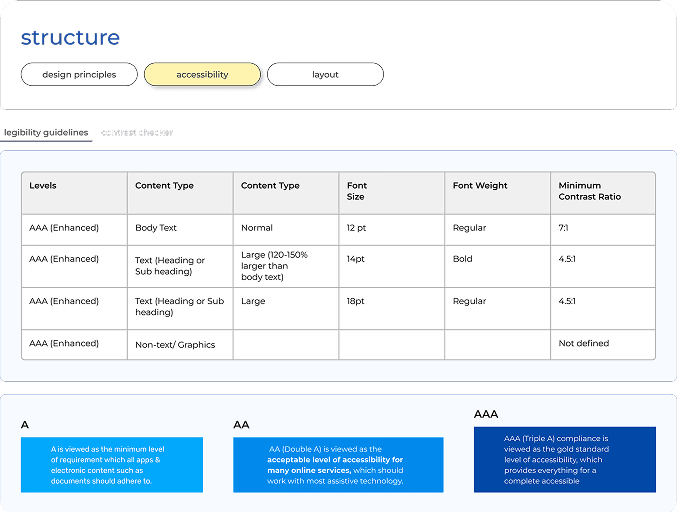
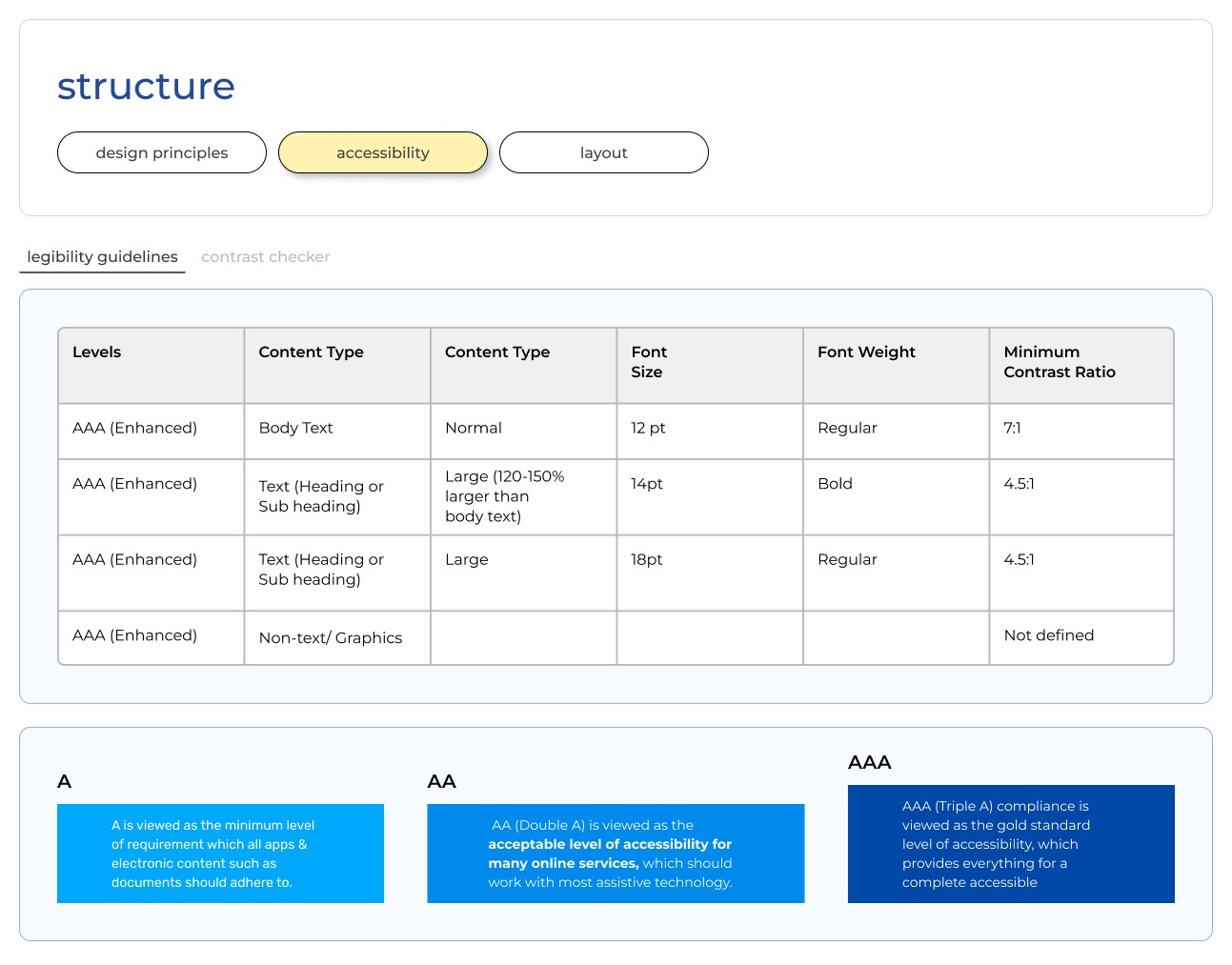
Where was the system breaking down?
Where was the system breaking down?
Where was the system breaking down?
Documentation lacked clarity and
was rarely used as a reference
Documentation lacked clarity and
was rarely used as a reference
Documentation lacked clarity and
was rarely used as a reference
Duplicated and inconsistent
components across products
Duplicated and inconsistent
components across products
Duplicated and inconsistent
components across products
Naming and structure made
discoverability difficult
Naming and structure made
discoverability difficult
Naming and structure made
discoverability difficult
Impact on Teams and Product
Impact on Teams and Product
Impact on Teams and Product
Design and engineering were not fully aligned, leading to inefficient handoffs!
Design and engineering were not fully aligned, leading to inefficient handoffs!
Design and engineering were not fully aligned, leading to inefficient handoffs!
Slower design workflows due to reinventing instead of reusing
Slower design workflows due to reinventing instead of reusing
Slower design workflows due to reinventing instead of reusing
Inconsistent user experiences across products
Inconsistent user experiences across products
Inconsistent user experiences across products
Reduced confidence in the design system as a single source of truth
Reduced confidence in the design system as a single source of truth
Reduced confidence in the design system as a single source of truth
The system was failing because it wasn’t
The system was failing because it wasn’t
The system was failing because it wasn’t
Execution - From fragmented to a Scalable System
Execution - From fragmented to a Scalable System
Execution - From fragmented to a Scalable System
The goal was not just to organise the library, but to create
a system that designers could easily understand, trust, and adopt across products.
The goal was not just to organise the library, but to create
a system that designers could easily understand, trust, and adopt across products.
The goal was not just to organise the library, but to create
a system that designers could easily understand, trust, and adopt across products.
Clarity
Clarity
Clarity
Simplifying how components are named, organised, and documented
→ Ease of use
Simplifying how components are named, organised, and documented
→ Ease of use
Scalability
Scalability
Scalability
Building flexible component structures that support multiple use cases
→ Avoiding duplication
Building flexible component structures that support multiple use cases
→ Avoiding duplication
Alignment
Alignment
Alignment
Ensuring design decisions align with engineering structure and constraints
→ smoother implementation
Ensuring design decisions align with engineering structure and constraints
→ smoother implementation
Adoption
Adoption
Adoption
Making the system easy to learn and integrate into workflows
→ documentation &usability
Making the system easy to learn and integrate into workflows
→ documentation &usability
Making the system easy to learn and integrate into workflows
→ documentation &usability
Understanding the Gaps
System Restructuring
Enabling adoption
I started by identifying why the system was not being adopted effectively.
Conducted discussions with designers and product teams to understand usage patterns.
Identified duplication, inconsistency, and navigation challenges through a full component audit.
Evaluated existing documentation and how teams interacted with it.
KEY INSIGHT
The system lacked CLARITY and ACCESSIBILITY
which led to low trust and inconsistent usage.
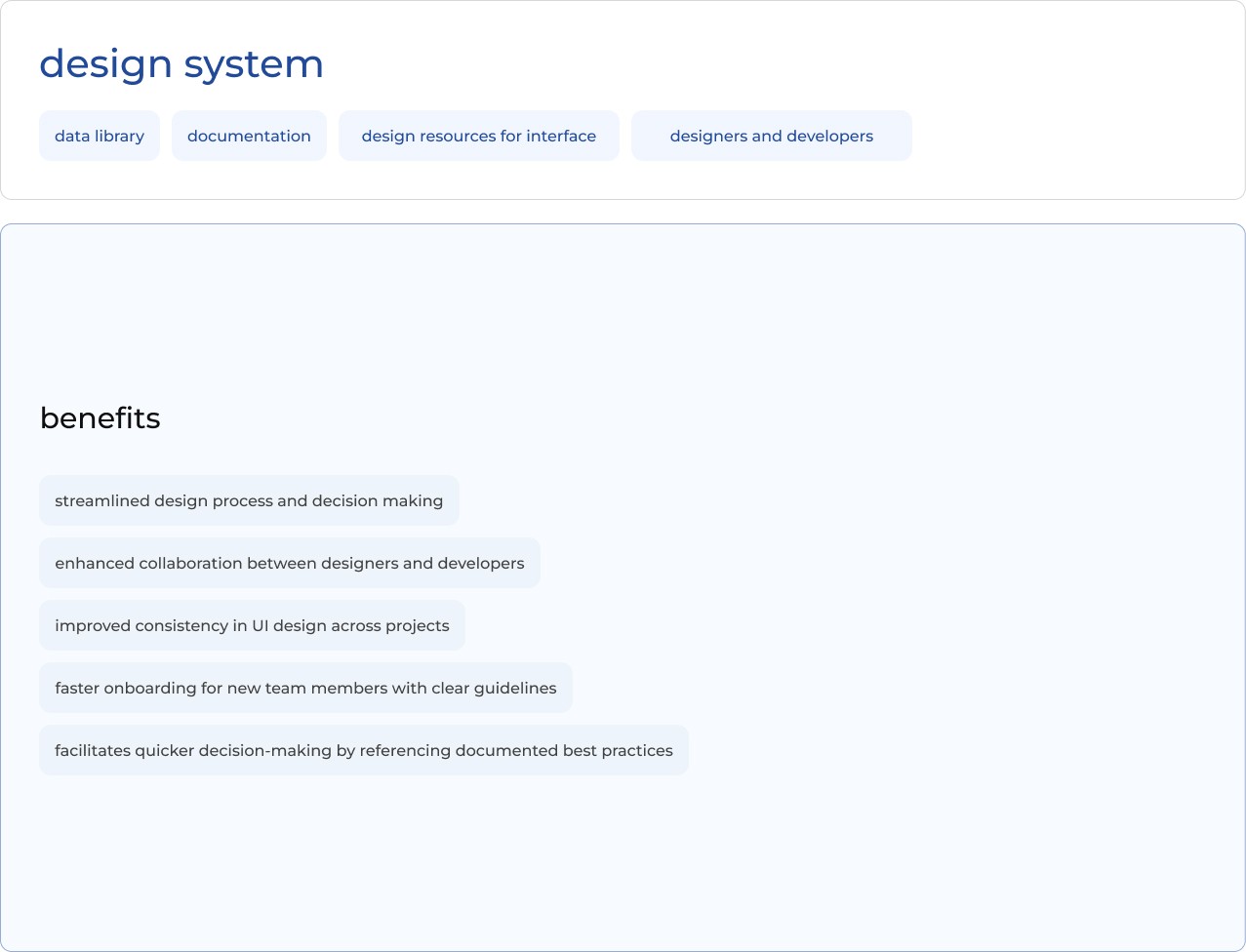
Explore the Design System
USE THE LEFT PANEL TO NAVIGATE COMPONENTS, STYLEGUIDS AND GUIDELINES.
Impact —What Changed
Impact —What Changed
Impact —What Changed
The restructuring transformed the design system from a
fragmented library into a scalable, usable system that supported teams across products more effectively.
The restructuring transformed the design system from a
fragmented library into a scalable, usable system that supported teams across products more effectively.
The restructuring transformed the design system from a
fragmented library into a scalable, usable system that supported teams across products more effectively.
AT A SYSTEM LEVEL
AT A SYSTEM LEVEL
a structured library of
350+ components and 1000+ variants
350+ components and 1000+ variants
FOR DESIGN TEAMS
FOR DESIGN TEAMS
Faster workflows by reducing recreation of components
Improved discoverability through clearer nomenclature
Easier onboarding for new designers with structured documentation
Faster workflows by reducing recreation of components
Improved discoverability through clearer nomenclature
Easier onboarding for new designers with structured documentation
FOR PRODUCT CONSISTENCY
FOR PRODUCT CONSISTENCy
More consistent user experiences across multiple products
Stronger alignment with brand and interaction patterns
Reduced design fragmentation across teams
More consistent user experiences across multiple products
Stronger alignment with brand and interaction patterns
Reduced design fragmentation across teams
DESIGN ENGINEERING COLLAB
DESIGN ENGINEERING COLLAB
Improved alignment between design and development structures
Smoother and efficient design-to-development handoff
Reduced ambiguity during implementation
Improved alignment between design and development structures
Smoother and efficient design-to-development handoff
Reduced ambiguity during implementation